.jpg)
A made-up route, a hiking time that’s wildly underestimated, inaccurate information about current conditions… After recently reading an article in Les Numériques about three hikers who got into trouble after using Gemini to plan their ascent of Mount Shasta 😅, we thought it was time to share a few thoughts from the Whympr team.
AI is great for a lot of things. But when it comes to planning an outdoor route, it’s still missing quite a bit of information to give you a truly accurate answer.
In this article, we’ll explain why AI can be a useful tool when preparing an outdoor outing - but (yes, there’s a BIG but, you saw that coming), it’s not the most reliable solution.
.png)
AI is always so confident… and yet!
The problem with generative AI tools like ChatGPT, Claude, or Gemini isn’t that they always get things wrong. Quite the opposite: sometimes they can produce answers that are clear, detailed, and incredibly convincing. And that makes it very easy to blindly trust them.
Ask AI how much time you should allow for a hike, what gear to bring for a climbing trip, or which ski touring route to choose, and you’ll get a structured answer almost instantly.
The problem? An answer that sounds reliable isn’t necessarily accurate.
Generative AI models can produce incorrect or completely made-up information, something known as “hallucinations” (and no, we’re not talking about mushrooms). And when it comes to preparing for an outdoor adventure, this little detail can quickly become dangerous.
Because a trail that doesn’t exist, an underestimated hiking time, or a section described as easy when it actually requires solid technical skills or specific equipment… well, that’s not exactly the kind of mistake you want to discover once you’re out there.
When it comes to the outdoors, information needs to be up to date to be useful!
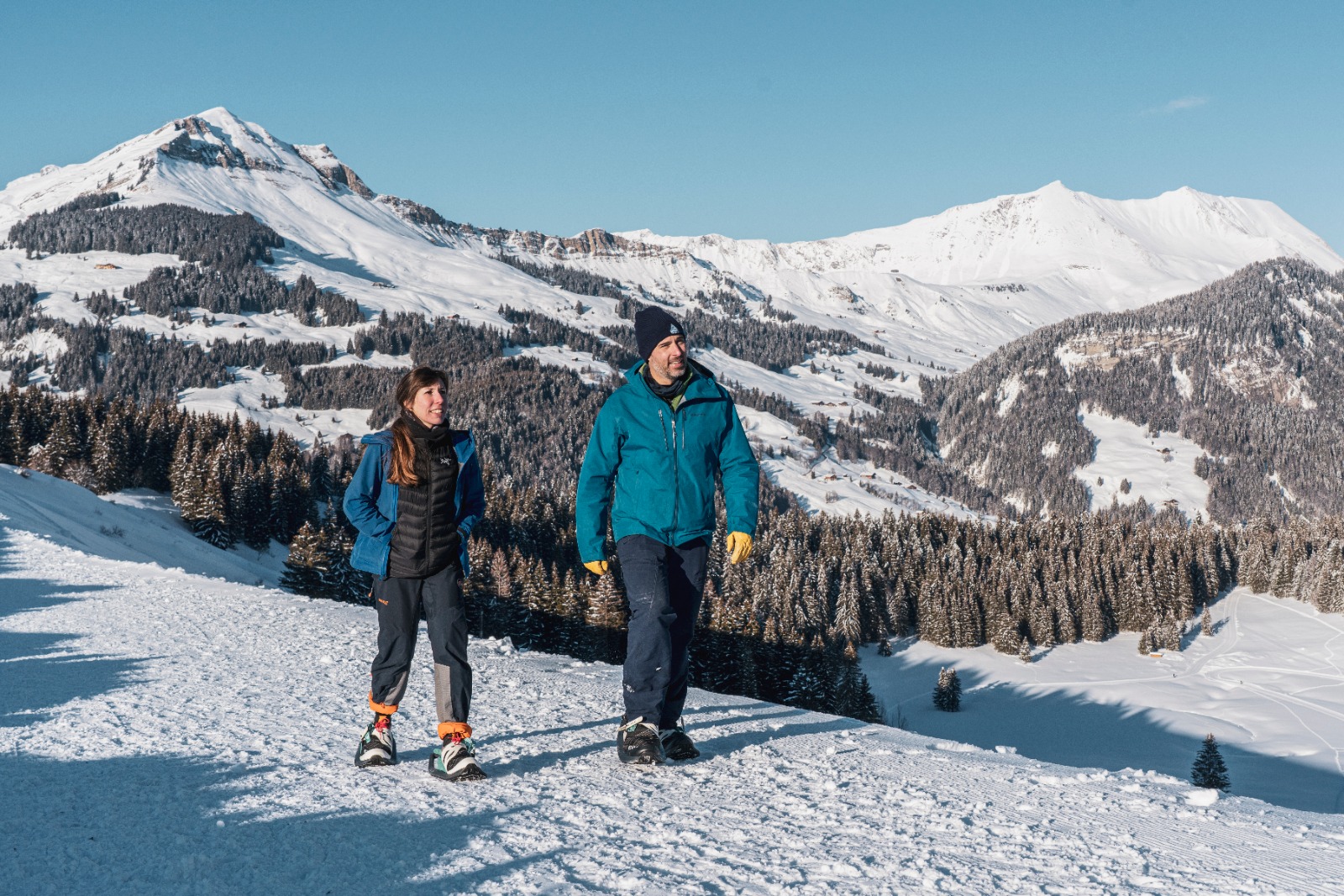
There’s another challenge: nature and the terrain we enjoy for outdoor activities are constantly changing.
A route isn’t a fixed piece of information. The weather can change. Snow can make a section impassable. A trail can be closed or damaged. Conditions can suddenly become unstable. A tree might have fallen. A place that was perfectly accessible last week can become much more challenging today.
And with generative AI, you often have no way of knowing. It may fill in the gaps by making things up rather than telling you it doesn’t know (by the way, you can actually change its settings and ask it to provide properly sourced, scientific data).
So, if you want to plan an outdoor adventure carefully, you need to cross-check reliable, accurate, and as up-to-date information as possible.
So, is using AI to prepare an outdoor adventure a bad idea?
Yes and no.
AI can help you understand a technical term, put together a checklist, compare different options, or make better sense of information you already have.
The risk comes when you ask it to generate all the information you need to prepare for an outdoor adventure, and then treat its answer as ground truth.
There’s a huge difference between asking: “Help me understand this information” and “Tell me how I should prepare for my outing.”
In the first case, AI can be an excellent assistant. In the second, it’s better to rely on more specialised and trustworthy tools.
And that’s exactly where Whympr’s data makes all the difference
Information and feedback from real people
At Whympr, while we’re convinced that AI can help us make better use of information, we also believe that some things should remain human.
This is particularly true when it comes to route descriptions. Approximate or inaccurate information can have very real consequences, sometimes even putting someone’s life at risk. And that’s one area where we don’t want to take any chances — trust us!
That’s why all the routes available on Whympr are based on human input — and that’s a rule we intend to keep.
We’re also putting an increasing focus on creating our own routes, described by people who actually use them, as well as working with guidebook publishers, authors, and route setters who know the terrain and how it evolves extremely well.
Because a route is more than just a line on a map. It’s also information that changes over time, as we mentioned earlier. That’s why it’s essential to know when and by whom a route was described, and to be able to track how it evolves.
.png)
Reliable, up-to-date outdoor data
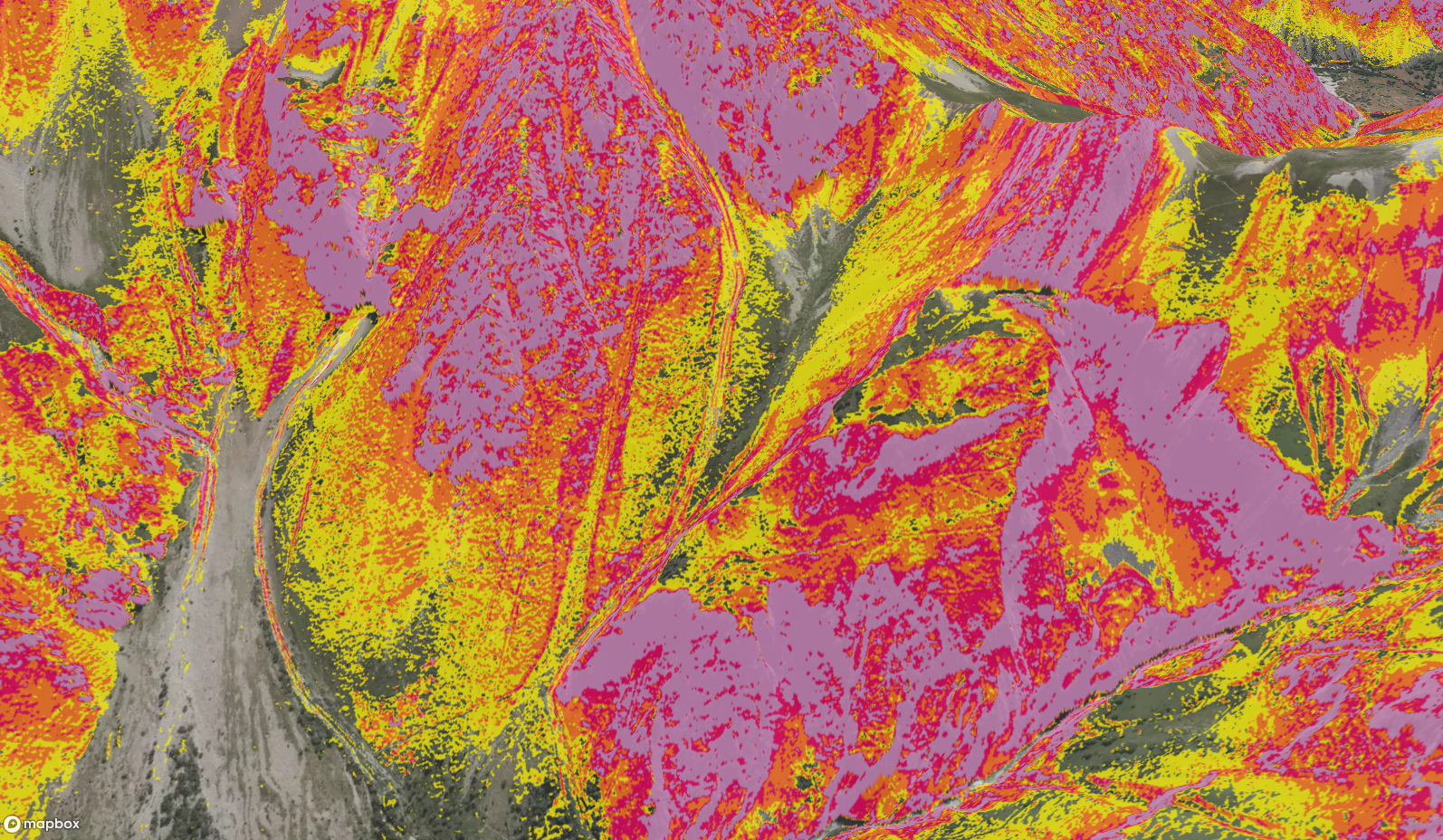
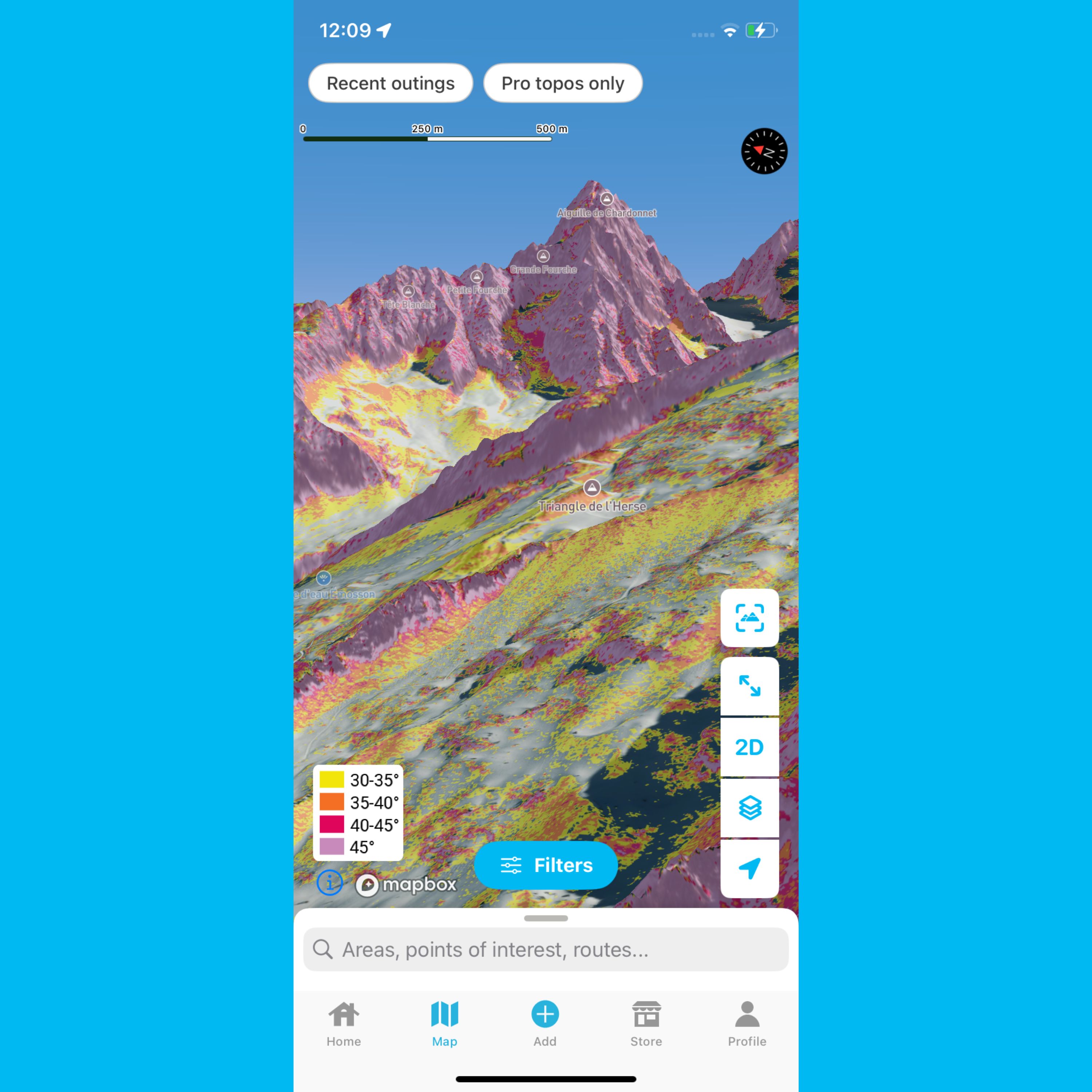
Routes are just one part of what we offer. We also provide our users with a wealth of data and content dedicated to outdoor activities: routes, maps, terrain information, weather forecasts, avalanche bulletins, guidebook content, reports, community feedback, webcams, highly detailed satellite maps, an activity feed…
And that’s the difference that matters. This data comes directly from the field or is aggregated from trusted professional partners.
And as AI continues to evolve, we believe that this kind of field data — time-stamped and provided by people who have actually been out there and followed the routes — will become increasingly valuable.
At Whympr, our goal is to provide the most recent and reliable information at the right time, so you can make the best decisions and get the most out of nature.
Because AI can analyse thousands of routes in just a few seconds.
But for now, it still doesn’t have legs. 😉
The importance of human judgment
One final point is worth highlighting: even with the best data in the world, there will always be an element of human judgment.
You can have the best route, the latest weather forecast, and all the information available about current conditions… but there’s still one person at the end of it all: you.
These are questions no AI can answer for you. Alpine clubs also recommend choosing an outing based on your physical and technical abilities, your experience, and the level of the whole group, then reassessing the conditions as you go.
And there’s no need to be afraid of changing your plans. Turning back, choosing an easier route, or postponing an outing isn’t a failure: that’s also what knowing how to enjoy the mountains is about.
If you’re a beginner, unsure about your abilities, or heading out on an outing involving specific technical difficulties, the safest option is to get proper training or go with a mountain professional. For certain activities — high-altitude mountaineering, glacier travel, alpinism, or highly technical terrain — experience and technical skills can’t simply be improvised.
So, AI can help you gather, understand, and put into context the information you need to prepare for your outing. But it doesn’t replace your experience, your judgment, mountain professionals, or official sources.
At Whympr, we believe technology should be there to help you make better decisions, not make them for you.
This article was written with the help of AI, but reviewed and edited by a human.