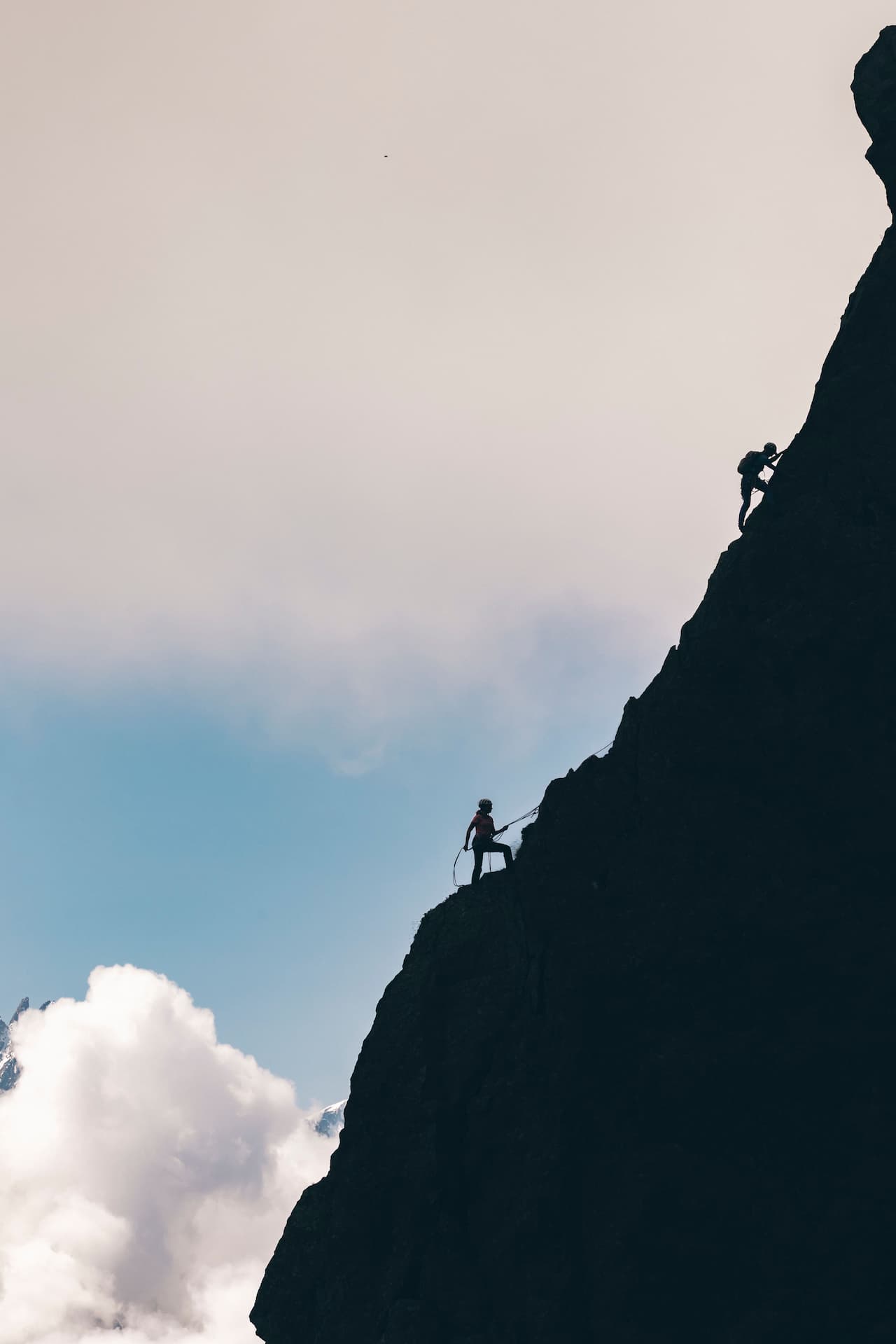
A fan of gneiss, slabs or overhangs, whether you climb 5s or 7s? You’ll find plenty to keep you busy in Chamonix, where you can enjoy crag climbing while others head off for mountaineering or trad.
The Vallée de Chamonix – Sites d’escalade guidebook by Vamos Editions covers all the sport climbing crags in the Chamonix Valley, from Le Fayet all the way to Le Châtelard in Switzerland.
For each crag, you’ll find route lines with detailed descriptions, a topo diagram and photos.
The authors have also included a selection of multi-pitch routes, including the classic Frison Roche at Brévent, as well as all the multi-pitch routes at Barberine, near the Swiss border.
Vamos Editions and the Whympr app were both born in Chamonix, so we couldn’t resist heading out to test the crags ourselves and make sure the guidebooks were complete and up to date (although, to be honest, we were pretty happy to have an excuse to go climbing too).
If you’ve bought the Vamos guidebook, you’ll get free access to the digital version in Whympr.
For €29, you’ll have everything you need to climb all summer long!
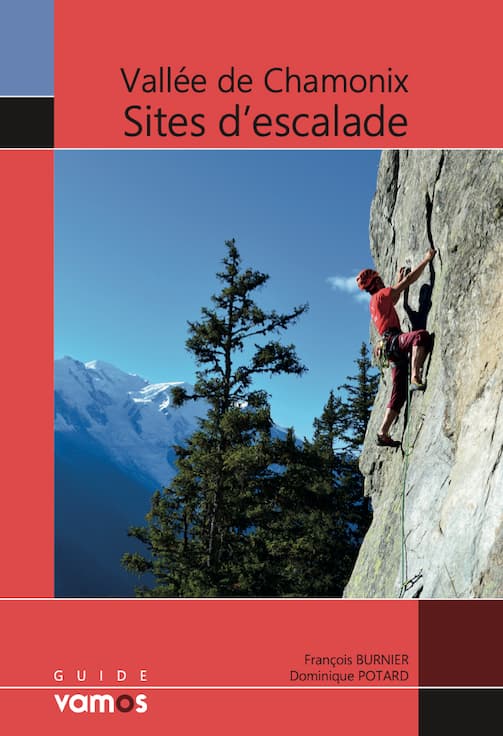
Chamonix is not just about mountaineering: the history of Les Gaillands, the valley’s most famous crag
Have you heard of Les Gaillands? It’s Chamonix’s historic climbing crag. Even if you’re not there to climb, it’s well worth a visit to get a sense of the history of climbing in the valley. It may not be the Verdon, the birthplace of sport climbing, but this crag is a fascinating reminder of another era. Just by looking at the names of the sectors and routes, you’ll probably come across some familiar names of famous mountaineers.
What’s more, there’s no approach hike, and a beautiful park surrounds the crag, making it a great spot for walking, running, picnicking and more. You can also enjoy the picturesque (artificial) ruins of the Lac à l’Anglais. And if you’re into fishing, there’s an added bonus: you can fish in Lac des Gaillands and go fly-fishing in Lac à l’Anglais.
Alfred Couttet, known as “Couttet Champion” (now that’s quite a nickname!), discovered the crag in 1928. The local mountain guides soon got involved and turned it into a climbing school. Among them was Roger Frison-Roche, the first guide in the Chamonix Guides Company who was not originally from Chamonix. Born in Paris, he was also a renowned mountain writer. You may know his book Premier de cordée, first published as a serial in 1941 and adapted into a film in 1943.
Today, on August 15, during the Fête des Guides, numerous climbing-related activities and events are held here.
You’ll find the complete, detailed topo for Les Gaillands in the Vamos guidebook Vallée de Chamonix – Sites d’escalade and in Whympr.
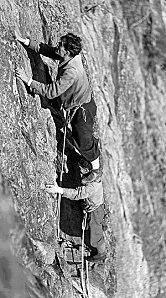
Vallée de Chamonix – Sites d’escalade: the guidebook for discovering Chamonix’s climbing crags
This is the guidebook you need if you want to enjoy sport climbing in Chamonix.
It features descriptions of 37 crags across the valley, 7 bouldering areas and a selection of multi-pitch routes, including all the multi-pitch routes in Les Cheserys. That’s a total of 500 routes ranging from 1 to 8 pitches.
The guidebook is available in English and can be purchased for €29 on the Vamos Editions website.
Want to know exactly what’s covered? Here’s the full list of the climbing areas featured in the Vamos guidebook:
- Le Fayet du Bas and du Haut, Les Thermes de Saint-Gervais
- Servoz, La Paré, Le Labo, Les Chavants, Coupeau, Roc Dément, Roc des Os
- Les Bossons, Les Gaillands
- Le Brévent, La Soulire, La Flégère
- Le Montenvers, Les Mottets, La Pierre d’Orthaz, Les Dalles de l’Arveyron, Le Chapeau
- La Joux, Le Monolithe de la Chauffria, La Moraine d’Argentière, L’Aiguillette d’Argentière, Les Chéserys-Remuaz
- Le Chenavier, Col des Montets – Argentière and Vallorcine sides
- Le Rocher du Saix in Vallorcine, Le Vallon de Bérard, La Tête de Mesure
- Le Passet du Bas and du Haut, La Grande Falaise du Passet, Le Mur du Loup
- Barberine, Châtelard, Giétroz
Vamos Editions: Chamonix’s historic climbing guidebooks
Today, the mountains around Chamonix are covered extensively in countless guidebooks for climbing, mountaineering, skiing, hiking and more.
But until relatively recently, finding information about the valley’s sport climbing crags was quite a challenge.
For a long time, the only climbing guidebooks available for Chamonix focused on high-mountain routes.
One of the main reference books was Les 100 plus belles by Gaston Rébuffat, one of the key sources of climbing information in Chamonix. Published in 1973, Rébuffat’s book lists the valley’s most beautiful mountaineering routes, focusing mainly on sustained alpine itineraries.
Another important source was the Vallot Guides. Today, these books are collector’s items because of their historical value. They were published between 1925 and 1938. With no photos or diagrams, however, they had become partly outdated by the 1980s.
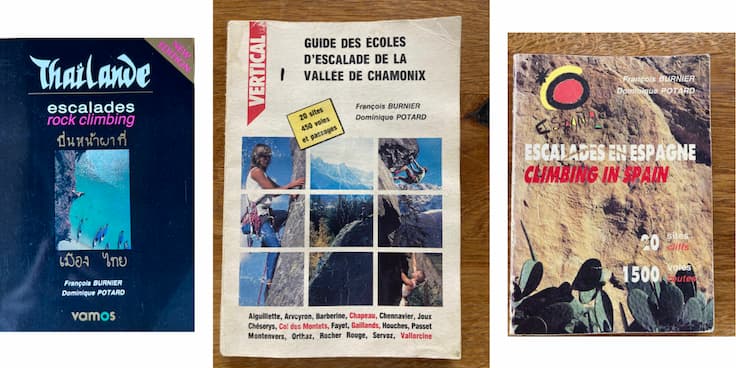
Chamonix mountain guides François Burnier and Dominique Potard noticed this lack of information.
So they set about creating a solution and, in 1986, published the first Chamonix climbing guidebook dedicated to low-altitude sport and multi-pitch climbing.
Without being professional publishers, they raised some money from 3S in Chamonix (the Snell, Sanglard and Stamos shops) and contacted an Italian printer based near Morgex. That same printer is still producing today’s Vamos guidebooks. The book was a success, and an English edition soon followed.
If you’re interested in the world of climbing guidebook writing and the development and re-equipping of climbing routes, we hosted an evening in August 2025 at the Snell shop in Chamonix, where François Burnier and Gilles Brunot (author of numerous climbing guidebooks covering areas such as the Arve Valley, the Aravis, the Biclop and the Giffre, Risse and Foron valleys, all available in Whympr) talked about their work and their approach to climbing guidebooks and route development.
The Whympr app: your climbing ally
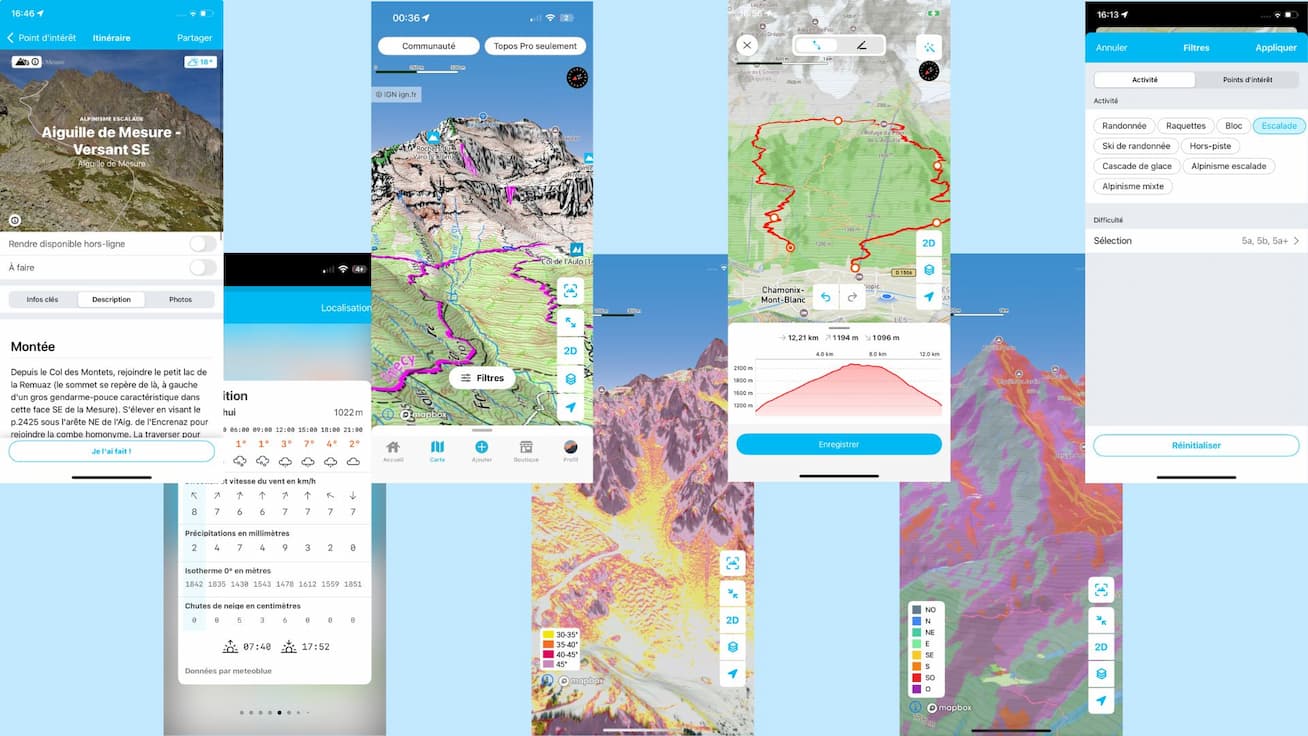
These Topos Pro are available exclusively on Whympr, making this the perfect opportunity to discover all the app’s features designed to help you climb.
Most of these features are available with a Whympr Premium subscription (€24.99/year). Give it a try — you get one week free to decide.
Among the many tools in the app designed for climbing, as well as mountaineering, ski touring/freeriding and hiking, here’s a selection of features you might find useful:
→ A database of 100,000 points of interest and routes around the world (available for free)
→ The ability to download routes and maps for offline use
→ Filters to find climbing areas around you or in a specific area based on your criteria (available for all outdoor activities)
→ Slope angle and aspect to help you find cooler climbing conditions in summer or sun-exposed crags in winter
→ Weather forecasts up to 4 days ahead, as well as weather history for the previous 4 days, available worldwide
→ Maps: access map layers from around the world, including IGN, Swisstopo and Italian maps. You can view them in 3D and add additional layers, such as flat areas suitable for bivouacs or sensitive wildlife zones.
→ Reports: add notes and comments directly from Whympr about rockfalls, impassable trails, wildlife or nesting areas, avalanches (in partnership with Data-Avalanche), and more. You can also view reports shared by other users.
→ Peak View to identify and visualise mountain summits
→ 28,000 webcams around the world
→ The livestock guardian dog map to see where livestock protection dogs are currently present
→ Route tracking features: create a track in Whympr to plan your outing, prepare it, download it for offline use, share it, record your route while out, or save tracks from other users (available for free)
These are just a few examples of features that can be useful for climbing. There are plenty more, including avalanche bulletins (BERA) for France, Italy, Switzerland, Austria, Norway, Scotland, the USA and Canada, as well as the most up-to-date and accurate winter satellite imagery of the Mont Blanc massif for winter activities.
Whympr is made for every outdoor activity, in every season.
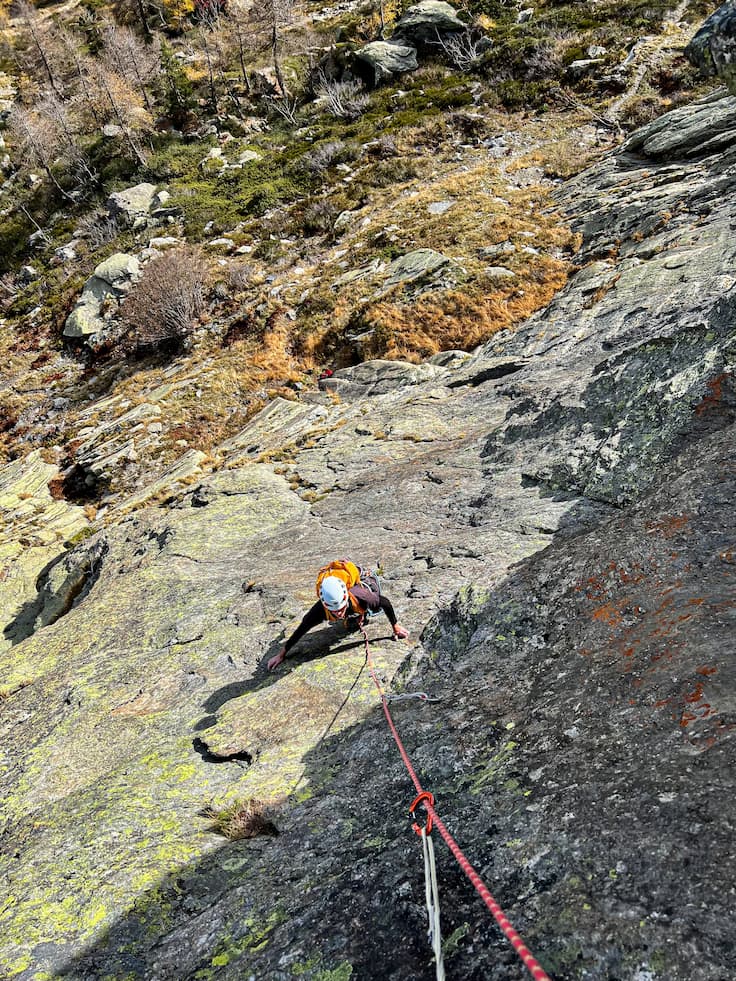
Three climbing crags and one multi-pitch area in Chamonix from the Vamos guidebook Vallée de Chamonix – Sites d’escalade
We tested some of the crags and multi-pitch routes featured in the Vamos guidebook for you. Here’s our small selection of sport climbing crags and multi-pitch areas. You’ll find plenty more in the guidebook, depending on your level, the type of rock you enjoy and the time of year you’re climbing. We’ve already talked about Les Gaillands above, but it remains a Chamonix classic, so don’t hesitate to check it out.
→ Le Passet / Mur du Loup
Sport climbing crag
SW / S
1,300 m
45-minute approach
Routes up to 30 m
Granite
Barberine, near the Swiss border
Two crags side by side, with two very different styles of climbing! There’s something for everyone.
Climbing at Le Passet is mostly slab climbing, from 4 to 6c+/7. Most routes are no harder than 6a.
At Mur du Loup, things get a little more challenging. The entry-level route is a four-star 5c, followed mostly by 6c routes with a few 7s.
→ La Soulire
Sport climbing crag
SW
1,100 m
15–20-minute approach
Routes up to 30 m
Gneiss
Les Praz de Chamonix, next to the Flégère cable car station
A relatively new climbing area, easily accessible by public transport, with around a dozen routes, mostly in the 6a range. A pleasant slab-climbing crag with very little walking required.
→ Les Cheserys / Remuaz
Multi-pitch climbing area
SE
1,750 m
55-minute approach
Gneiss
Col des Montets
Here, you’re spoilt for choice! Popular for more than 50 years, the multi-pitch routes at Les Cheserys are a great option in Chamonix if you’re looking for moderate climbing (up to 6a) on slabs, with spectacular views over the massif.
Located within the Aiguilles Rouges Nature Reserve, you’re likely to spot ibex on the approach and perhaps even a few marmots. Just make sure you follow the reserve’s regulations. Among other things: no dogs, no swimming in the lakes and no trial motorcycles.
So, shall we put our climbing shoes on?
All that’s left to do is sit back at home with the Vallée de Chamonix – Sites d’escalade guidebook, adding the traditional sticky notes to mark the places that inspire you. Then, download the topo to Whympr for offline use and head out to discover Chamonix’s climbing crags.
Whether you’re looking for a relaxed climb with a view of Mont Blanc or want to push yourself a little harder, you should find exactly what you’re looking for. Chamonix isn’t just about winter mountaineering on north faces — it’s also a fantastic sport climbing destination!
We hope we’ve made you want to go climbing because, after all, that’s what really matters!

.webp)